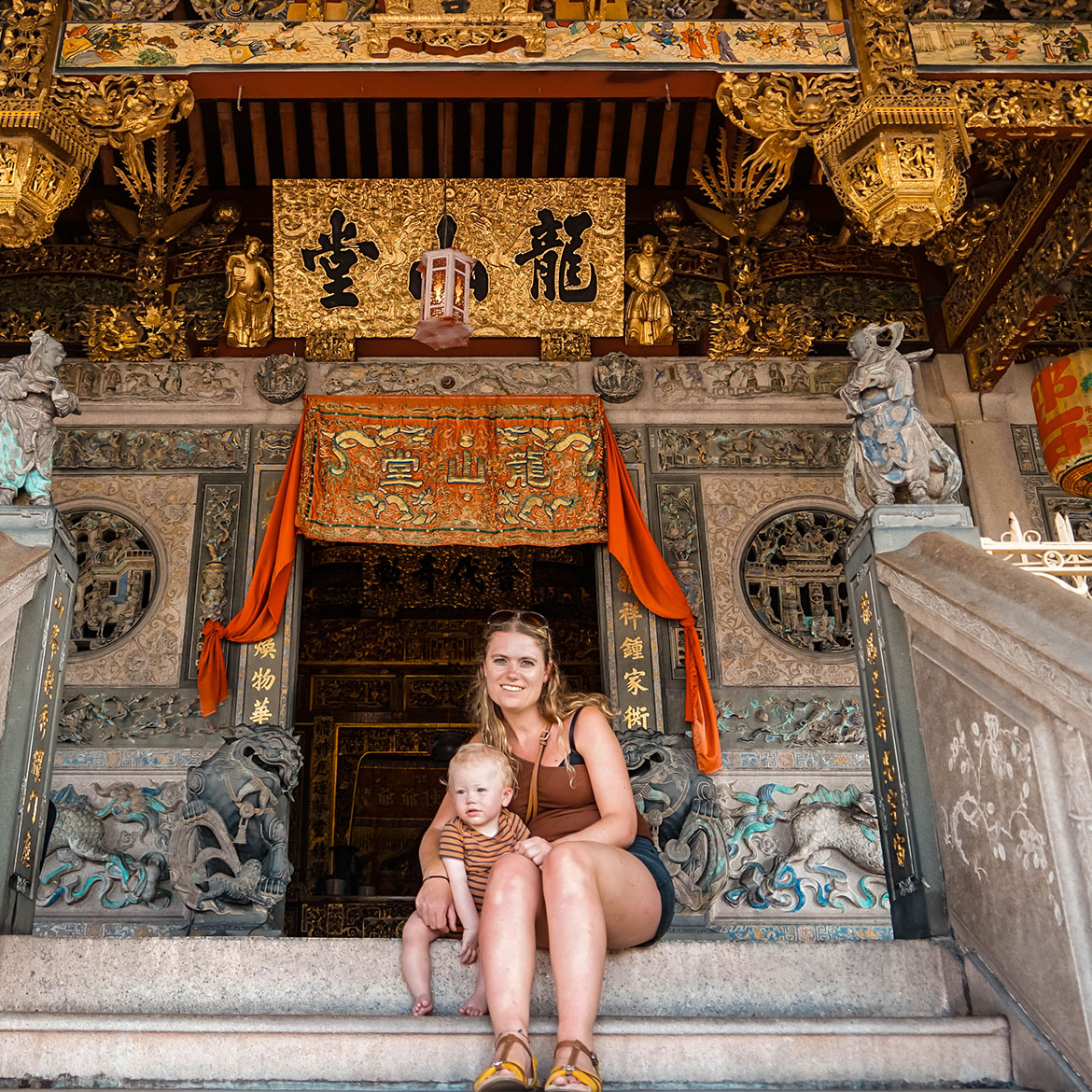
Traveling with a baby or toddler changes everything about the way you plan a trip. Over the years, we’ve learned that choosing a kid-friendly travel destination is about more than just beautiful scenery: it’s about health, safety, and everyday practicality. From vaccinations and local hygiene to transportation and availability of baby products, there’s a lot to consider when you determine a baby or toddler travel destination. In this post, we share our experiences and tips for picking a suitable destination for your travels with your baby or toddler.
Table of Contents
8 tips for choosing a kid-friendly travel destination
#1: Are vaccinations necessary?
When choosing a distant destination with a baby or toddler, it’s wise to check if vaccinations are required. For many countries outside Europe, a Hepatitis A vaccination is recommended. The virus can be present on items such as door handles, towels, and in food and drinks, leading to a Hepatitis A infection. The Hepatitis A vaccine might not be given to children under 1 year of age in all countries. This is because children under 1 are often still protected by the mother, they don’t suffer much from a Hepatitis A infection, and they don’t yet eat the same foods as their parents. They also do not consume foods cooked in restaurants. Once they turn 1, it is more common to administer this vaccine to young children.
In some countries, vaccines are also required for Yellow Fever or Typhoid Fever. Yellow Fever is a virus transmitted by tropical mosquitoes. This vaccination is often recommended or even required in countries where Malaria is also present. It’s typically not given to babies younger than 6 months old. The side effects of this vaccine can also be more severe. The Typhoid Fever vaccine is only administered from the age of 2. Therefore, I would not travel with a baby or young toddler to destinations where this vaccination is recommended. To understand which vaccines are recommended for babies and toddlers, it’s advisable to consult the Public Health Service or your doctor.
Ultimately, we decided to travel to countries where the Hepatitis A vaccination is recommended. We’re avoiding countries with recommendations for Yellow Fever or Typhoid Fever for now, while traveling with a baby or toddler. Fortunately, in many countries, only the Hepatitis A vaccination is required. Always consult with the Public Health Service or your doctor: when traveling with a baby under 1, they sometimes choose to bring forward one of the vaccinations. For example, Luca received an additional MMR (Measles, Mumps, Rubella) vaccination at 11 months before we traveled to Malaysia.
#2: Check if Malaria is present
Before you determine a baby or toddler travel destination, make sure to check the Malaria map. As mentioned above, some distant destinations have Malaria. Malaria is particularly dangerous for young children. This disease, caused by a bite from an infected mosquito, can have severe effects. There is no vaccine for Malaria; the only way to prevent it is by taking anti-malarial tablets. However, it’s difficult, if not impossible, to administer these tablets to a baby or young child. Moreover, the side effects of anti-malarial tablets can also be quite severe.
There are other measures to prevent Malaria, such as sleeping under a mosquito net with air conditioning, wearing protective clothing, and applying DEET to exposed skin. However, toddlers and babies should not use products with a high concentration of DEET.
Therefore, traveling to a country with Malaria is strongly discouraged. You simply cannot guarantee that your child will be safe from this disease, and you can’t subject them to the side effects of the tablets. Check this map for an overview of Malaria-prone regions.
#3: Check the status of hygiene & healthcare
Another important factor is to find out about the hygiene and healthcare situation in the country you plan to visit. You obviously don’t want your little one to get sick due to poor hygiene, and when healthcare is needed, you want it to be of acceptable quality. Quick access to well-equipped hospitals is essential when traveling with young children.
Something else to consider when traveling with babies: they can become dehydrated more quickly, and they don’t always regulate their temperature well. Their immune systems are still developing, and they can’t always tell you when they’re feeling unwell, or when they’re too cold or too hot. Choose a country where you can maintain their temperature and rely on good healthcare in case it’s needed.
#4: Check if altitude sickness might be an issue
When choosing a kid-friendly travel destination, make sure to check the altitude of the places you want to visit. For example, some cities in Peru or Bolivia are located over 2500 meters above sea level. Some people develop altitude sickness when they first arrive at a high-altitude destination. Symptoms of altitude sickness include shortness of breath, headaches, nausea, dizziness, or feeling weak. If severe and untreated, altitude sickness can result in coma or even death.
It’s not that young children are more prone to altitude sickness, but the problem is that they can’t communicate their discomfort as well. When children suffer from altitude sickness, they may become fussy, whiny, lethargic, and may eat or sleep poorly. As a parent, you might mistake these symptoms for tiredness after a long journey. It’s advisable to avoid high-altitude areas with young children. If you do go, make sure to first visit destinations that are higher but still below the 2500-meter threshold, so the entire family can adjust to the altitude.
#5: Are baby products easily available?
Another thing to consider when choosing a kid-friendly travel destination is whether diapers and baby food are available. Diapers are usually not a problem, but baby formula can be harder to find in less developed areas. The biggest challenge arises with fruits and vegetables if you’re traveling with a baby who is not yet eating solid food.
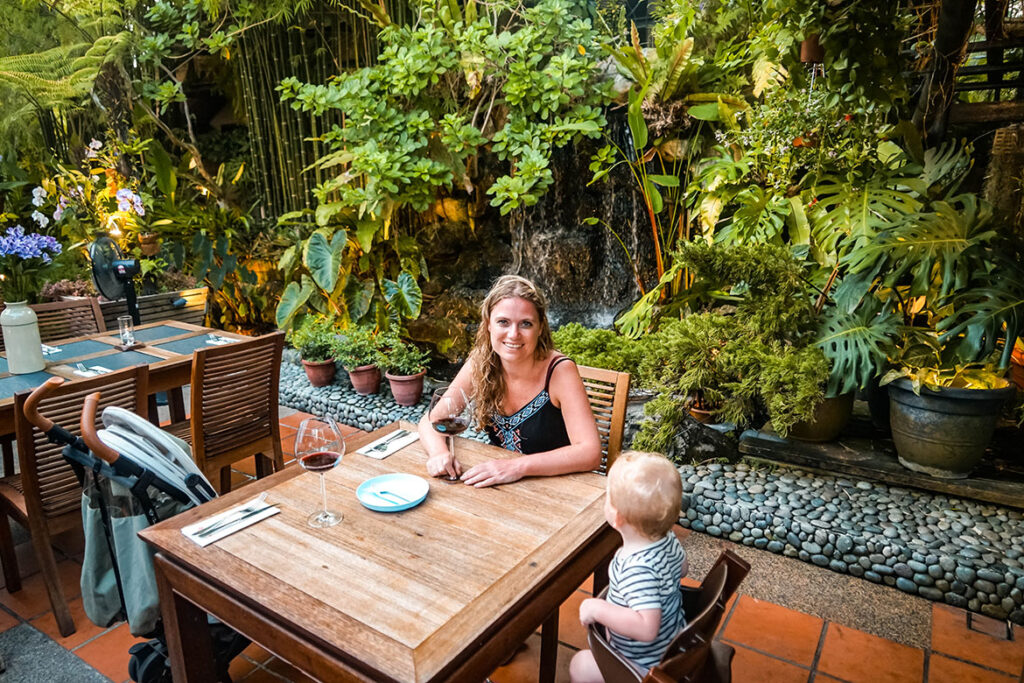
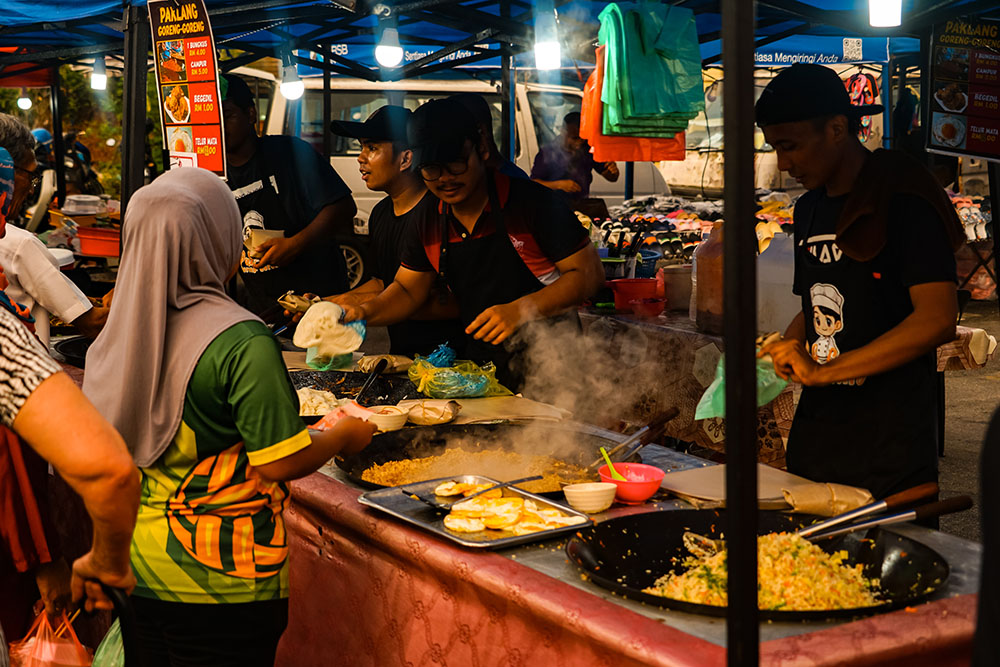
From our experience, it’s not possible to buy baby food in all countries. In Malaysia, for example, we found only limited availability of jarred vegetable purees, so Luca (who was 11 months old at the time and had not yet received the Hepatitis A vaccine) often ate with us. This can be risky in some countries, so be extra cautious when choosing a restaurant. Fortunately, fruit jars were still available in Malaysia, but another couple we met, who had a 9-month-old daughter, spent an entire afternoon in Langkawi searching for a jar of vegetables.
#6: Are there enough child-friendly accommodations?
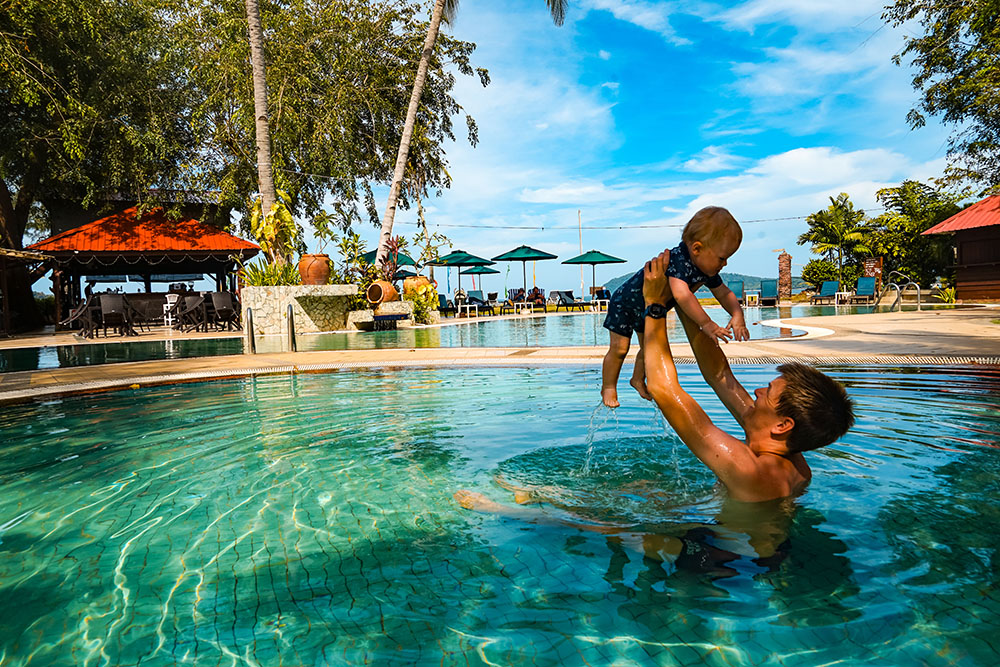
When traveling long distances with a baby or toddler, you’ll need to find child-friendly accommodations. While you might have stayed in a hostel or a small budget hotel room before, you’ll now need to pay more attention (and likely spend more money) on finding suitable accommodations. Keep in mind that during a trip with children, your accommodation is more than just a place to sleep. You’ll actually spend quite a bit of time there. The pace of travel will be slower, and your child will need some time to play. Also, young children tend to go to bed earlier, so you’ll spend more time in your accommodation in the evenings than you did when you didn’t have kids.
We often look for apartments, ideally with multiple bedrooms. This way, you have enough space for all the extra items you bring, and your child has room to play. When your child is already in bed, you can still sit in the living room. Hotels are also an option, but make sure the room is large enough. It can also be tricky if your child is sleeping in the evening or during the day.
#7: Consider the local transportation
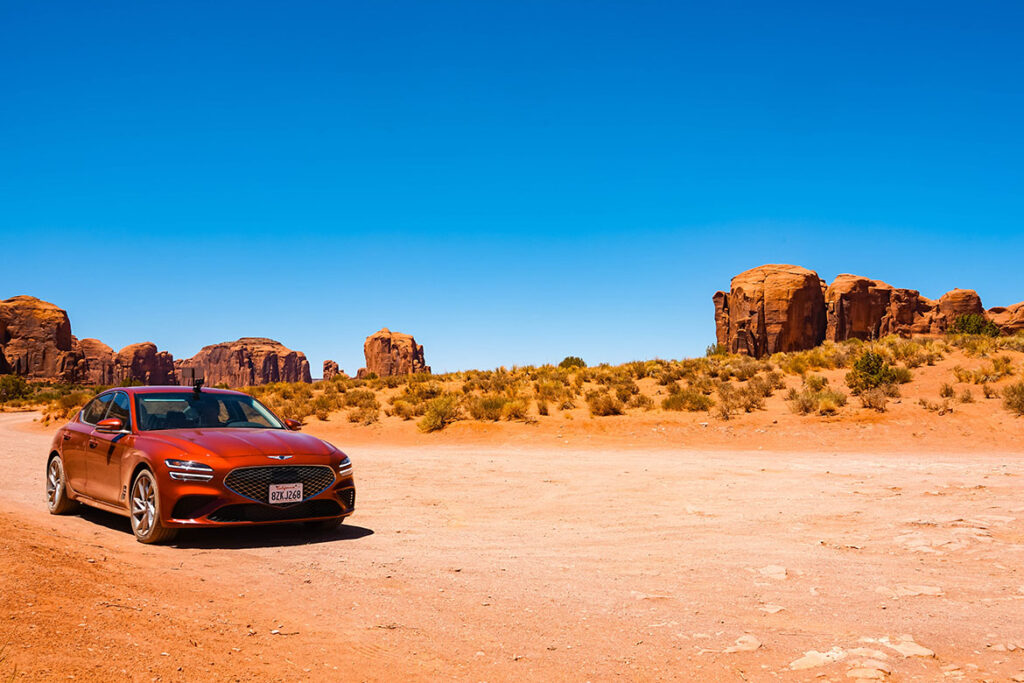
One of the most important things to consider when choosing a kid-friendly travel destination is local transportation. The best option is to rent a car. This way, you can choose your departure time, make more frequent stops, and take shorter trips than if you were traveling by bus. With a rental car, you can adapt the travel schedule to your child’s rhythm. It’s also very practical: you can carry more items and leave what you don’t need in the trunk. A rental car makes travel much more relaxed. You don’t have to worry about your child crying during the ride while everyone else on the bus gets annoyed.
Unfortunately, renting a car is not always possible in many distant countries. Often, road quality is poor, or it simply isn’t safe for a Western tourist to drive on their own. In some countries (mainly in Asia), you can only drive with a chauffeur.
Traveling by plane, bus, or train within the country is also an option, but you’ll be dependent on departure times and will have to wait a lot. Additionally, you’ll need to bring a lot of stuff with you, which can be quite a hassle. Consider the infrastructure in the country before you determine your next baby or toddler travel destination.
#8: Check the local distances
When choosing a baby or toddler travel destination, also consider the distances you’ll need to travel locally. Babies can’t sit in a car for hours, and toddlers usually don’t want to either. It’s also not comfortable for you to travel long distances with a small child. In the end, little ones are happiest when they can play or swim. Try to limit travel to a maximum of 3-4 hours on travel days, and spend a few consecutive days in one place. Traveling every day is also not ideal for a little one, so take this into account when you determine your next baby or toddler travel destination.
For example, Namibia meets most of the requirements. You can drive yourself, you need relatively few vaccinations, the country is fairly modern, and it has good hygiene standards. The downside of Namibia is the long hours you spend in the car. This doesn’t mean Namibia isn’t a baby-friendly travel destination, but it might be more enjoyable when your child is a bit older and can appreciate the safari experience more.
Determine the travel destination with a baby or toddler
What is a good baby or toddler travel destination? Take a look at these countries:
- Oceania: New Zealand & Australia
- Asia: Japan, (parts of) Malaysia & (parts of) Thailand
- North America: United States, Canada & (parts of) Mexico
- Latin America: Costa Rica, Dominican Republic, and Aruba, Bonaire & Curaçao
- Middle East: Oman, Jordan & the United Arab Emirates
- Africa: Morocco, Namibia & South Africa
Useful info and links for long-distance travel
Are you going on a long-distance trip with a baby or toddler? Here you can find more information.
Organized trips for families with babies and toddlers
These travel agencies offer organized & child-friendly long-distance trips
- TBD
FAQ – Choosing a baby or toddler travel destination
-
Can you safely take a long-distance trip with a baby or toddler?
Yes, you can safely take a long-distance trip with a baby or toddler, as long as you adjust your way of traveling. This means traveling more slowly, covering shorter distances, staying longer in one place, and choosing comfortable, child-friendly accommodations and transportation. It’s also important to choose a suitable baby or toddler travel destination. Avoid countries with Malaria, large altitude differences, or limited healthcare. Pay attention to which vaccinations are recommended and whether baby products are readily available.
-
Which destinations are suitable for a long-distance trip with a baby or toddler?
Suitable destinations for a long-distance trip with a baby or toddler are countries that are safe, hygienic, and well-developed, and where you can easily adapt travel to your child’s rhythm. Examples of suitable long-distance destinations include Japan, South Korea, Singapore, Malaysia, Thailand (Malaria-free regions), Oman, Canada, the USA, Australia, and New Zealand. Parts of South Africa or Namibia can also be suitable, provided you account for longer travel distances. In Latin America, Costa Rica, Panama, or parts of Mexico are good options.
-
What to consider when you have to determine a baby or toddler travel destination?
When choosing a kid-friendly travel destination, there are several important considerations:
– Vaccinations & diseases: Check which vaccinations are recommended and avoid destinations with Malaria or other diseases that are dangerous for young children.
– Healthcare & hygiene: Choose a country with good hygiene and access to reliable medical care.
– Altitude & climate: Avoid destinations at high altitude and extreme heat or cold, as babies cannot regulate their body temperature well.
– Local travel distances: Stick to short travel distances and spend several days in one place.
– Transportation: A destination where you can safely rent a car or travel comfortably is a big plus.
– Availability of baby products: Check whether diapers, baby food, and other essentials are easy to find.
– Child-friendly accommodations: Adequate space, quiet, and facilities make traveling much more pleasant. -
Which baby or toddler travel destinations do not require vaccinations?
For almost all long-distance baby or toddler travel destinations, vaccinations are required. Usually Hepatitis A and DTP are. Hepatitis A is often recommended for destinations outside Europe but is not given to babies under 1 year, as they are often still protected through the mother and have little contact with contaminated food or water. Vaccination for Hepatitis A is recommended from 1 year of age.
There are hardly any long-distance destinations where no vaccinations are needed at all, but some countries with highly developed healthcare systems and good hygiene have minimal vaccination recommendations. Tip: Always consult with the Public Health Service or your doctor for their advice regarding your specific destination and your child’s age. This ensures you travel safely.
-
What is a comfortable amount of travel per day with a baby or toddler?
With a baby or toddler, it’s best to plan short travel days. In general, traveling a maximum of 3 to 4 hours per day is comfortable. It’s also helpful to stay multiple days in one place so everyone can adjust, and your child’s routine is maintained. This makes traveling less stressful and more enjoyable for both parent and child.
Related blogs
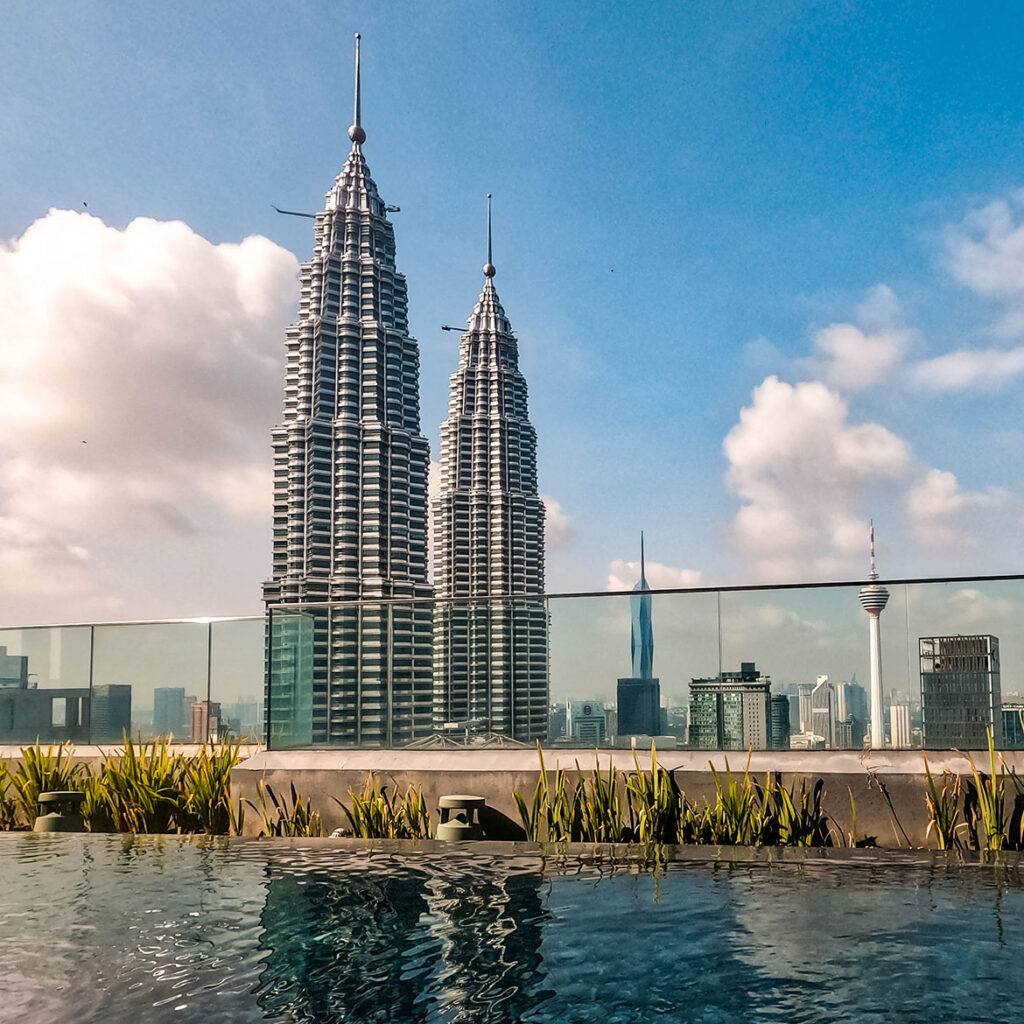
What are the best things to do in Kuala Lumpur with kids?
Discover Kuala Lumpur with kids: our personal guide to the best family activities in Kuala Lumpur, top places to visit & things to do.
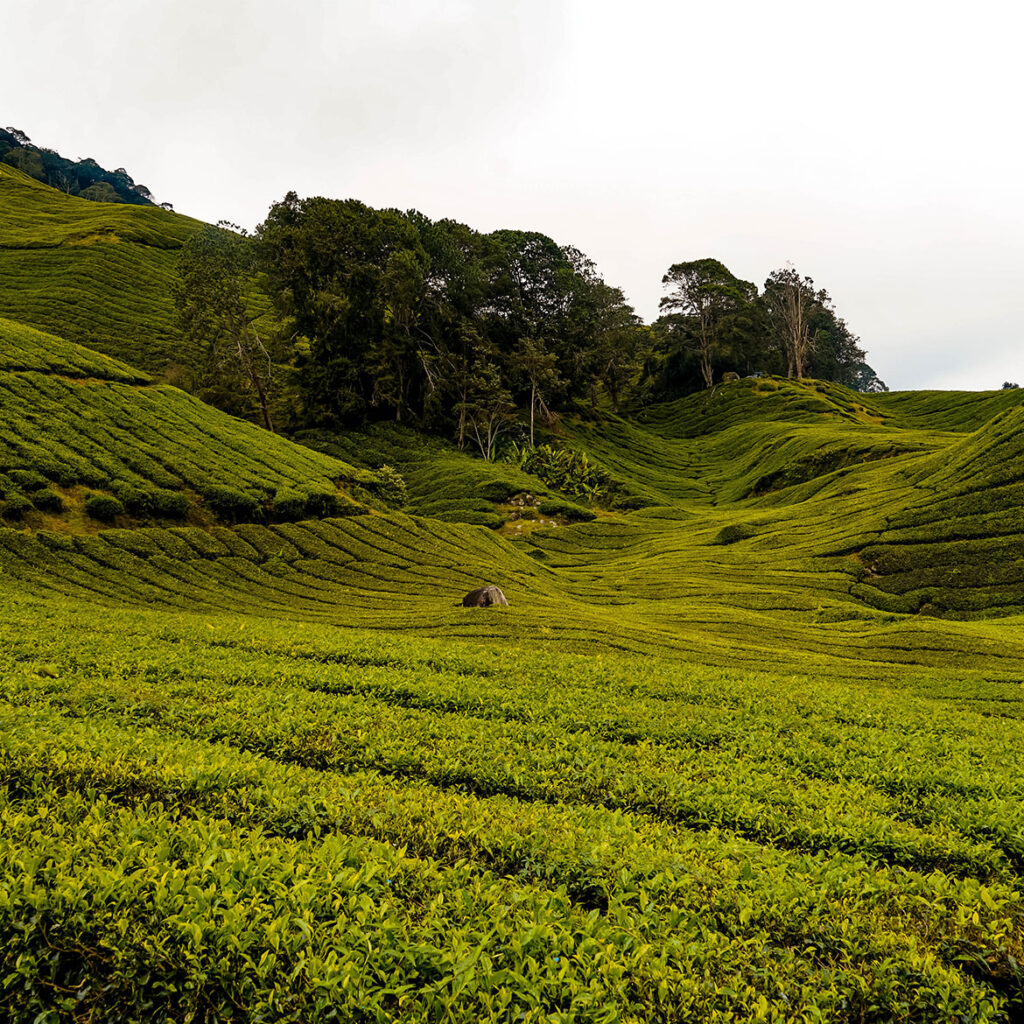
Top things to do in the Cameron Highlands with children
Planning a visit to the Cameron Highlands with kids? Discover things to do for your trip to the Cameron Highlands in Malaysia with children.
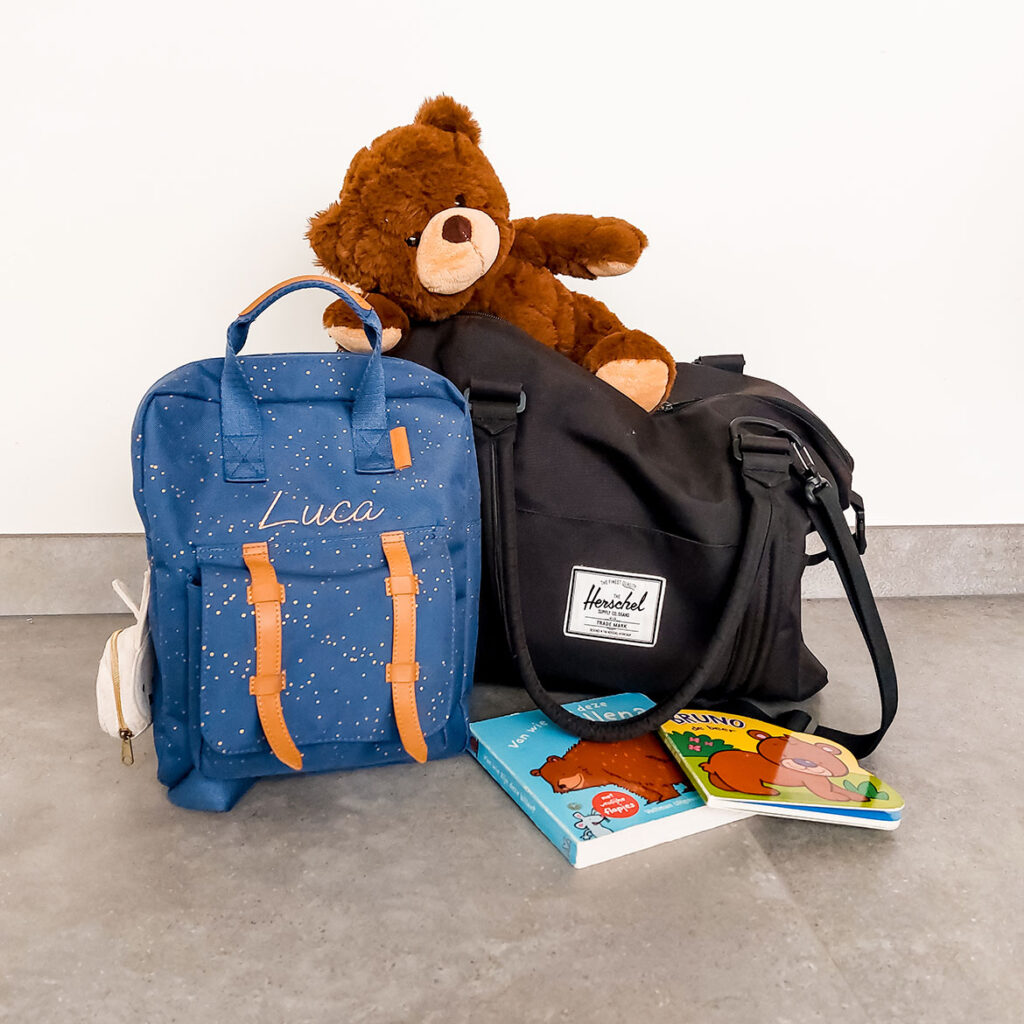
The complete packing list for a weekend away with a baby
Our ultimate packing list for a weekend away with a baby. Discover what to pack for a weekend trip with a baby and a practical checklist.
